
10 Jul Smart Manufacturing in 2026: Key Trends Driving the Future of Industrial Automation
Smart Manufacturing in 2026: Key Trends Driving the Future of Industrial Automation
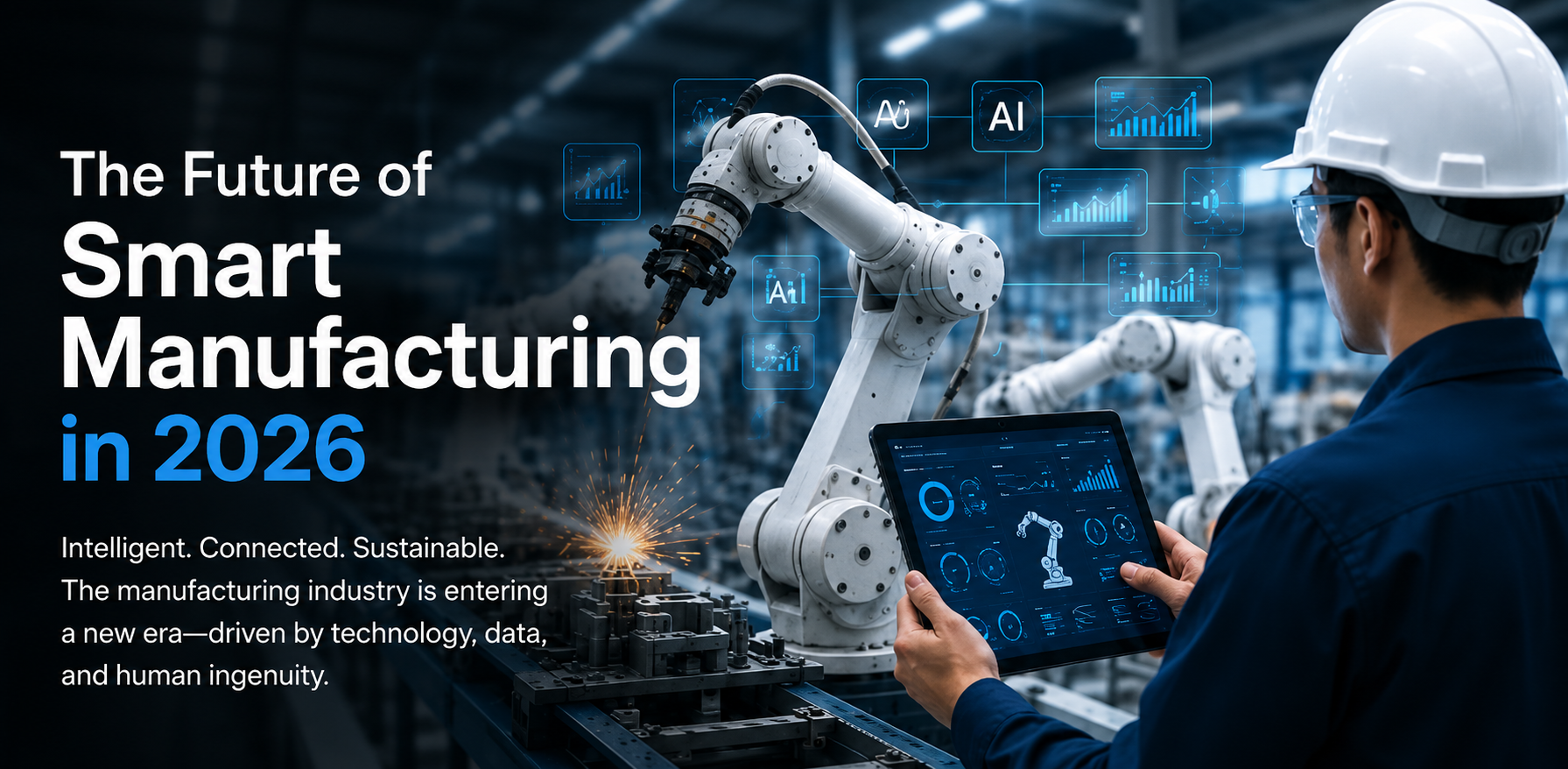
The Future of Smart Manufacturing in 2026: Trends That Are Transforming the Industry
The manufacturing sector is undergoing one of the biggest changes in its entire history. Looking ahead into 2026, manufacturers do not solely depend on conventional automation anymore. Nowadays, factories are becoming more intelligent, more efficient, and more interconnected thanks to modern technology solutions like industrial robots, Artificial Intelligence (AI), Industrial Internet of Things (IIoT), machine vision, and big data analysis.
Smart manufacturing solutions are being used by companies to become more productive, minimize downtime, ensure product quality, and stay competitive in an ever-changing global market. Businesses which adopt smart manufacturing solutions now are better positioned to face future challenges in manufacturing.
What is Smart Manufacturing?
The smart manufacturing process is the application of intelligent technologies into the production system in order to build an interconnected manufacturing process. There is real-time interaction between machines, robots, sensors, and software, which enables the manufacturer to manage the operations, detect any problem and take appropriate action depending on the production data. Contrary to conventional manufacturing process, the smart factory adapts and optimizes the process without much human interference.
Key Trends Shaping Smart Manufacturing in 2026
1. AI-Powered Production
Artificial intelligence is becoming a critical component of modern manufacturing processes. Artificial intelligence analyzes production data in order to forecast equipment breakdowns, optimize production schedules, enhance quality control, and minimize waste. Rather than responding to a problem, manufacturers can avoid downtime entirely with the help of predictive maintenance and intelligent monitoring.
2. Machine Tending Robots Become Mainstream
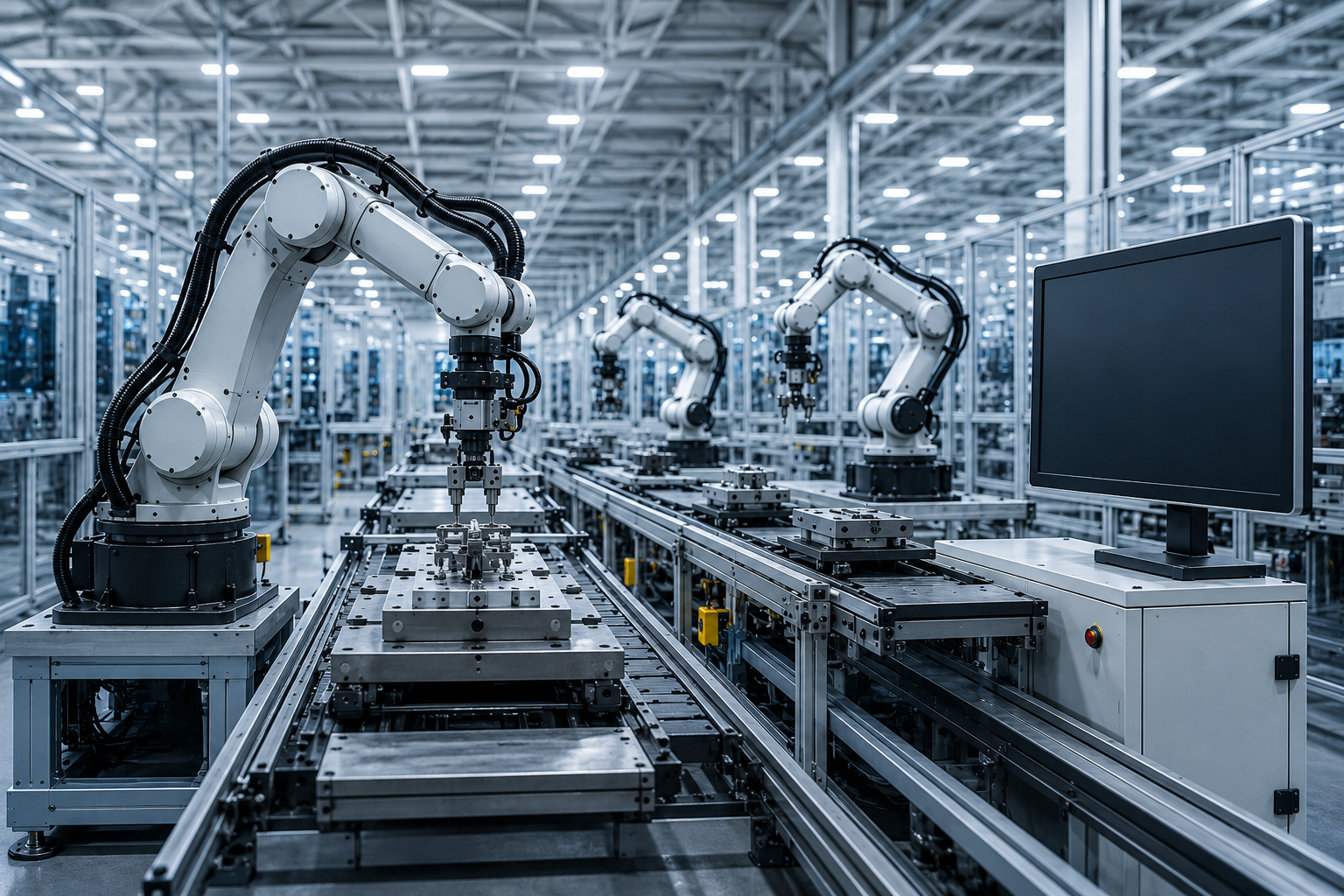
The lack of workers and rising production needs are the reasons behind the use of machine tending robots in various industries.Robots are now responsible for the loading, unloading, handling of raw materials, finished components, and doing other repetitive tasks with great accuracy, which means that the operators can concentrate on doing more productive work. It is particularly important for the automotive, aerospace, precision engineering, medical devices, and heavy engineering industries.
3. Connected Factories Through IIoT
Industrial Internet of Things (IIoT) helps manufacturing machines, sensors, and equipment communicate with each other in real-time. Manufacturing plants’ managers can remotely keep an eye on machine performance, measure production efficiency, and pinpoint bottlenecks right away. It leads to better overall equipment effectiveness (OEE). Smart factories ensure full visibility on the factory floor. It helps companies make better and quicker decisions.
4. Collaborative Robots (Cobots)
Collaborative robots have been designed for safe interaction with humans. They are different from the normal factory robots that need safety fencing as they assist people by performing monotonous, physically demanding, or precise tasks. Examples of applications include assembling, packing, inspecting, handling materials, and quality checking. Cobots allow manufacturers to increase productivity and provide safety in the working environment.
5. Data-Driven Decision Making
Manufacturers are gathering more information on their manufacturing processes than ever before. Analytics platforms transform such information into valuable insights for improving efficiency, minimizing waste, and enhancing the quality of the products. Dashboards provide real-time information on the performance of the machines, production volume, energy usage, and other requirements for maintenance.
6. Digital Twins
The digital twin concept enables the creation of a virtual model of a manufacturing process or production line. By using this technology, engineers are able to experiment with a new production process, equipment, or even process improvements without risking the implementation process. This concept not only saves time but also money.
7. Sustainable Manufacturing
Sustainability has emerged as an important focus of businesses in 2026. Manufacturers are making investments in energy-saving machinery, automated energy management system, waste management solutions, and green manufacturing processes. Automated technology enables businesses to cut down on their electricity use and material wastage while ensuring higher efficiency levels.
Benefits of Smart Manufacturing
Businesses adopting smart manufacturing solutions are experiencing measurable improvements, including:
- Higher production efficiency
- Reduced machine downtime
- Improved product quality
- Better utilization of manpower
- Lower operational costs
- Increased workplace safety
- Faster production cycles
- Improved production planning
- Real-time monitoring and reporting
- Greater customer satisfaction
These advantages help manufacturers remain competitive while adapting quickly to changing market demands.
Challenges Manufacturers Need to Address
Although smart manufacturing offers significant benefits, successful implementation requires careful planning.
Some common challenges include:
- Integration with existing equipment
- Workforce training and skill development
- Cybersecurity protection
- Initial investment costs
- Data management
- System compatibility
Working with an experienced automation partner can simplify implementation and maximize return on investment.
The Role of Automation Companies
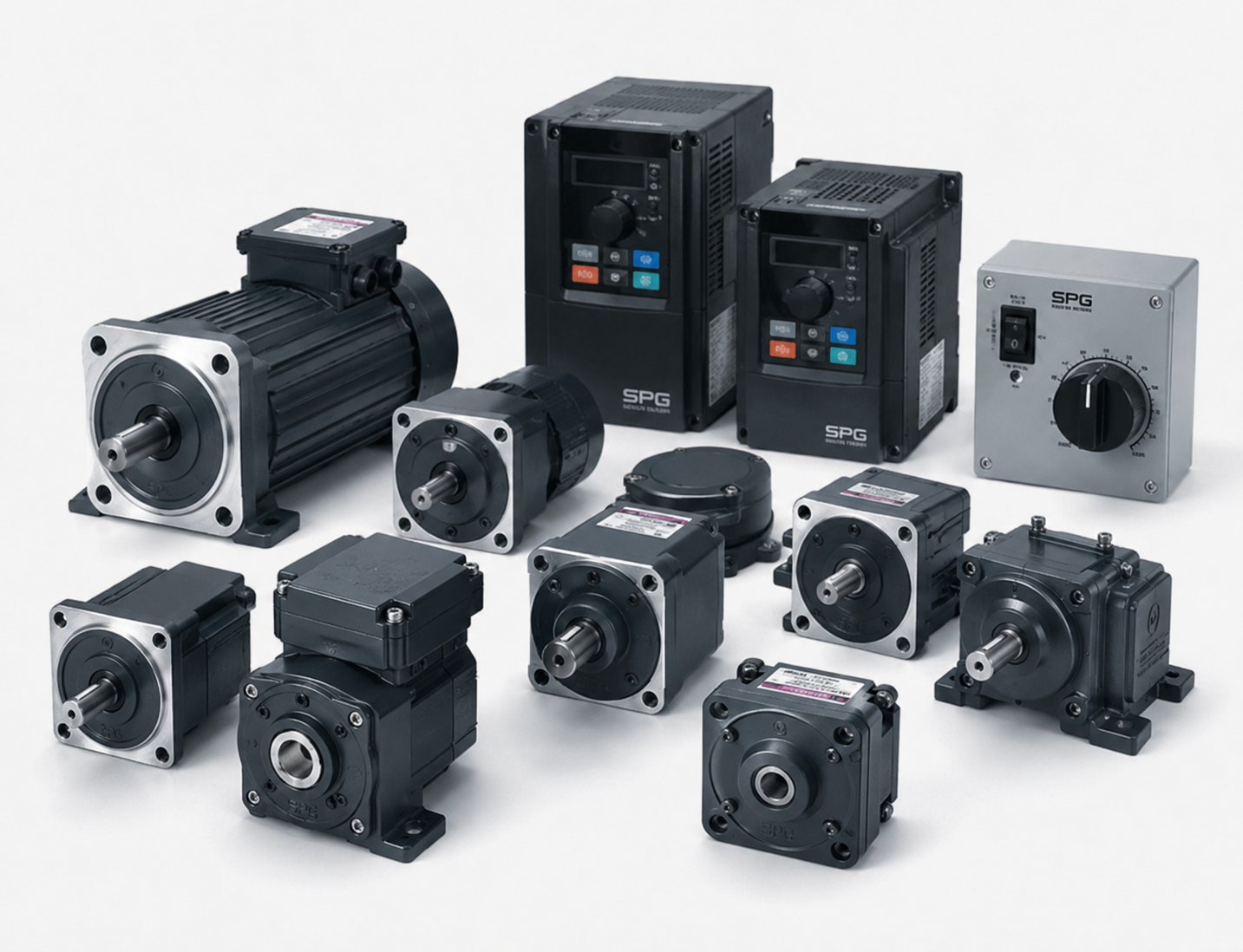
Each plant has its own demands for production. The key to successful implementation of automation is knowledge of current processes and choosing the correct technology. Automation solutions developers create individualized systems, which combine technologies such as robots, machine vision, motion control, PLCs, conveyors, and smart software into one highly effective production environment. It is not about replacing humans; it is about giving workers more opportunities and time to improve the process, make improvements, and be innovative.
The future of manufacturing is no longer a concept far off in the distance—it is unfolding now. The modern smart factory is more intelligent, connected, and agile than ever. Businesses that leverage robotics, artificial intelligence, Industrial Internet of Things, and smart automation can expect to benefit from increased productivity, consistent quality, reduced costs, and rapid responses to changing customer demands. As a company, Strategi Automation Solutions assists manufacturers in adopting Industry 4.0 by offering tailored automation solutions, robotic solutions for machine tending, robotic automation, motion control solutions, and smart manufacturing systems.
Conclusion
Intelligent manufacturing is revolutionizing the way that products are being designed, manufactured, and shipped. By 2026, businesses that invest in intelligent manufacturing are not just making themselves more efficient but are building themselves into smarter, more adaptive and sustainable operations as well. The path to building the intelligent factory starts with the right strategy, the right technology, and the right automation solution.