
21 Aug Industrial Cooling Fans: A Complete Guide to Choosing the Right Fan
Industrial Cooling Fans: A Complete Guide to Choosing the Right Fan
What Are Industrial Cooling Fans?
Industrial cooling fans are key parts of industrial equipment that help regulate the temperature of machines, electrical panels, and automation systems. While running, industrial machines produce heat, which can influence the operation of electrical and electronic elements. This is where cooling fans come into play to eliminate the excess heat from the equipment through the constant circulation of air. Such fans are utilized in control cabinets, CNC machines, robotics, power supplies, drives, and automation panels. Industrial fans are meant for stable operation in long-term work conditions. They vary in sizes, airflow capacity, voltage, and installation type. The selection of the right fan depends on the equipment and conditions of operation. Proper airflow prevents overheating and thermal burnout of the equipment. It also contributes to its stable operation. That is why industrial cooling fans are essential for contemporary industrial systems.
Why Is Cooling Important in Industrial Equipment?
Industrial cooling is very important to maintain equipment reliability. All electrical and electronic components emit heat when they are functioning, especially under full load operation. If the heat level becomes too high, it reduces efficiency and also lowers the operational life of some components. Some components like PLC, servo drives, VFDs, and power supplies may produce a lot of heat in automation panels. The role of industrial cooling fans is to get rid of this heat and ensure a better operational temperature. Ventilation also ensures that heat does not accumulate in enclosed panels. This helps reduce the stress that may be caused by excessive heat. It can help avoid problems like unexpected equipment breakdowns and maintenance needs. Good cooling helps to maintain machine efficiency during extended production periods. Thus, choosing an efficient cooling system is an integral part of equipment design.
Types of Industrial Cooling Fans
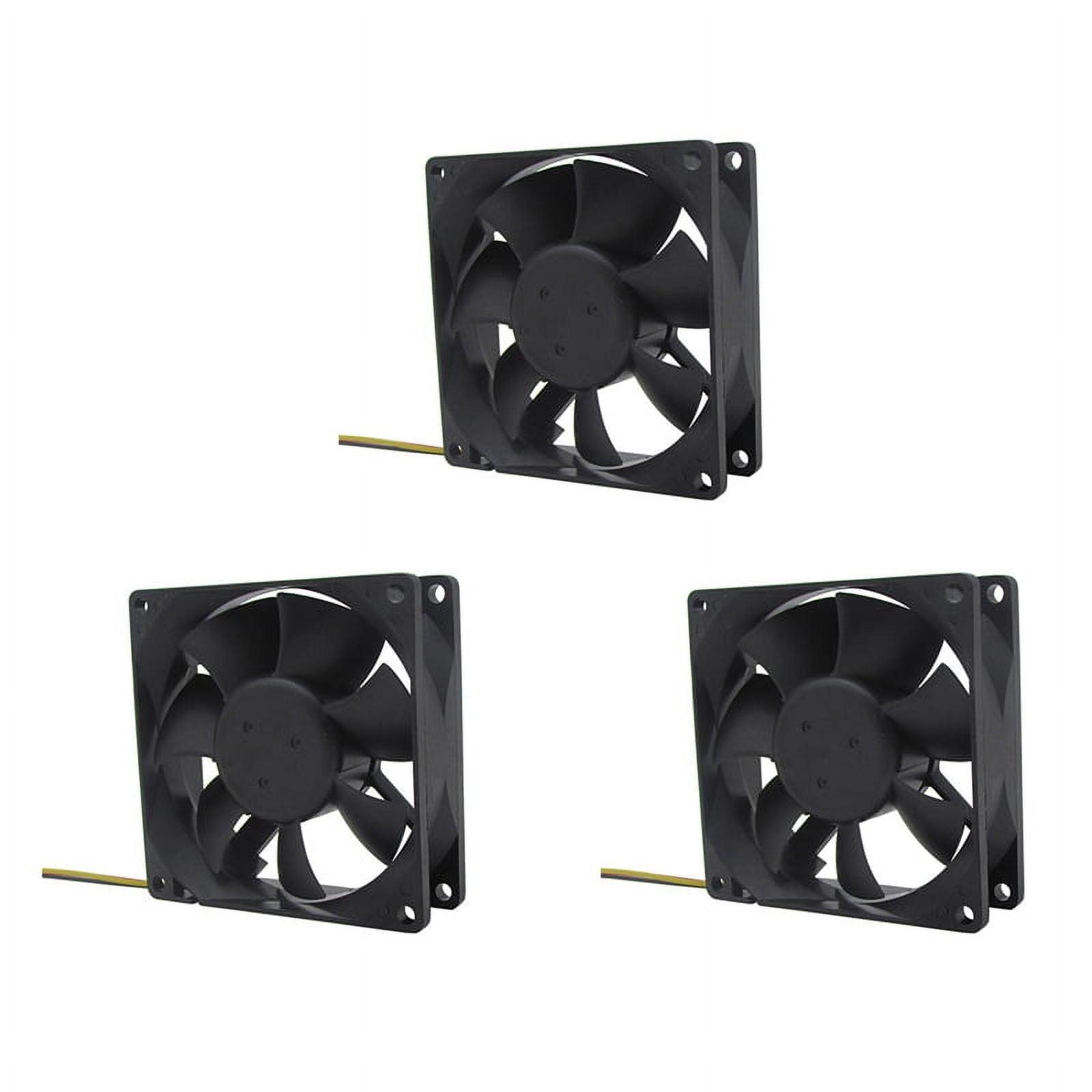
There are several types of industrial cooling fans that are designed for particular purposes. The use of axial fans is common since they have the ability to generate high amounts of airflow using minimal installation space. Centrifugal fans will work well for instances where higher amounts of air pressure are required, especially when filters and ducts are creating resistance to airflow. Panel cooling fans are made especially for electrical control cabinets and automation cases. DC fans are mostly used for cooling electronic components, drives, controllers, and power supplies. Fans come in different types of frame sizes, voltages, and airflow capacities. This will depend on the amounts of heat that need to be dissipated and the available installation space. It is also important to take into consideration the environmental factors when selecting the type of fan to use.
Airflow and Cooling Capacity
One of the main aspects which should be taken into account while choosing an industrial cooling fan is airflow. The specification shows the amount of air which the fan can deliver either inside or outside the machinery. An underpowered fan will not be able to dissipate all the heat from the equipment. However, a fan that is too powerful can be costly in terms of energy usage and noise levels. The needed amount of airflow depends on various aspects, for example, heat generation level, the size of the enclosure, ambient temperature, the arrangement of the equipment’s inner components. The amount of airflow that is blocked by filters, vent holes, ducting, and other components should be considered as well. Typically, manufacturers indicate the specifications of the fan concerning airflow. The right airflow guarantees that the hot air is eliminated and the cool one is delivered effectively.
Selecting the Correct Fan Size
The physical size of a fan is yet another critical factor when it comes to industrial applications. The fan needs to fit properly within the mounting space that is available without clashing with any other hardware that is present there. Industrial cooling fans are available in different frame sizes to cater to the requirements of both small control panels and large industrial machines. Before choosing a fan, it is essential to measure the space that is available for mounting. A bigger fan is not necessarily the better choice when the application calls for low-power consumption or limited space. In some cases, smaller fans will suit the purpose perfectly because of their compact design, while in others, large fans might be more suitable. In addition to measuring the mounting space, it is also necessary to determine the mounting dimensions and airflow direction before installing the fan.
Maintenance of Industrial Cooling Fans
Maintenance is necessary to maintain the optimal working of industrial cooling fans. There may be dust and dirt accumulation on the blades of the fan, filters, and the ventilation openings. It will reduce the efficiency of the fan as the airflow gets hindered due to dust and dirt buildup. Maintenance personnel must conduct regular inspections of the fans for any noises, vibrations, or low flow rate of air through the fan. The filters must be cleaned and/or replaced depending upon the environmental conditions. Electrical connections must also be checked to prevent any hazards during operations. Bearings and motors can be checked for wear and tear where required. A faulty and noisy fan must be checked to prevent any overheating of the equipment connected with it.
How to Choose the Right Industrial Cooling Fan
Selection of an industrial cooling fan requires analysis of different application-specific criteria. First, you need to determine the quantity of the heat produced by the equipment that will be cooled. You have to know the needed airflow, the available mounting area, the voltage needed, and the direction of the airflow. In some cases, the size of the enclosure and the configuration of the interior parts will influence the choice of fans. Dust, humidity, oil, and the ambient temperature can be significant environmental criteria to analyze. The continuous-duty criteria are very important for equipment working for a long time during the production period. In some cases, noise and power consumption can also be considered in the process of analysis. Selecting a reliable fan of an appropriate industrial manufacturer can contribute to improving its operation. Correct installation of the fans can also significantly affect their operation.