
03 Aug How Stepper Motors Improve Precision in Automation
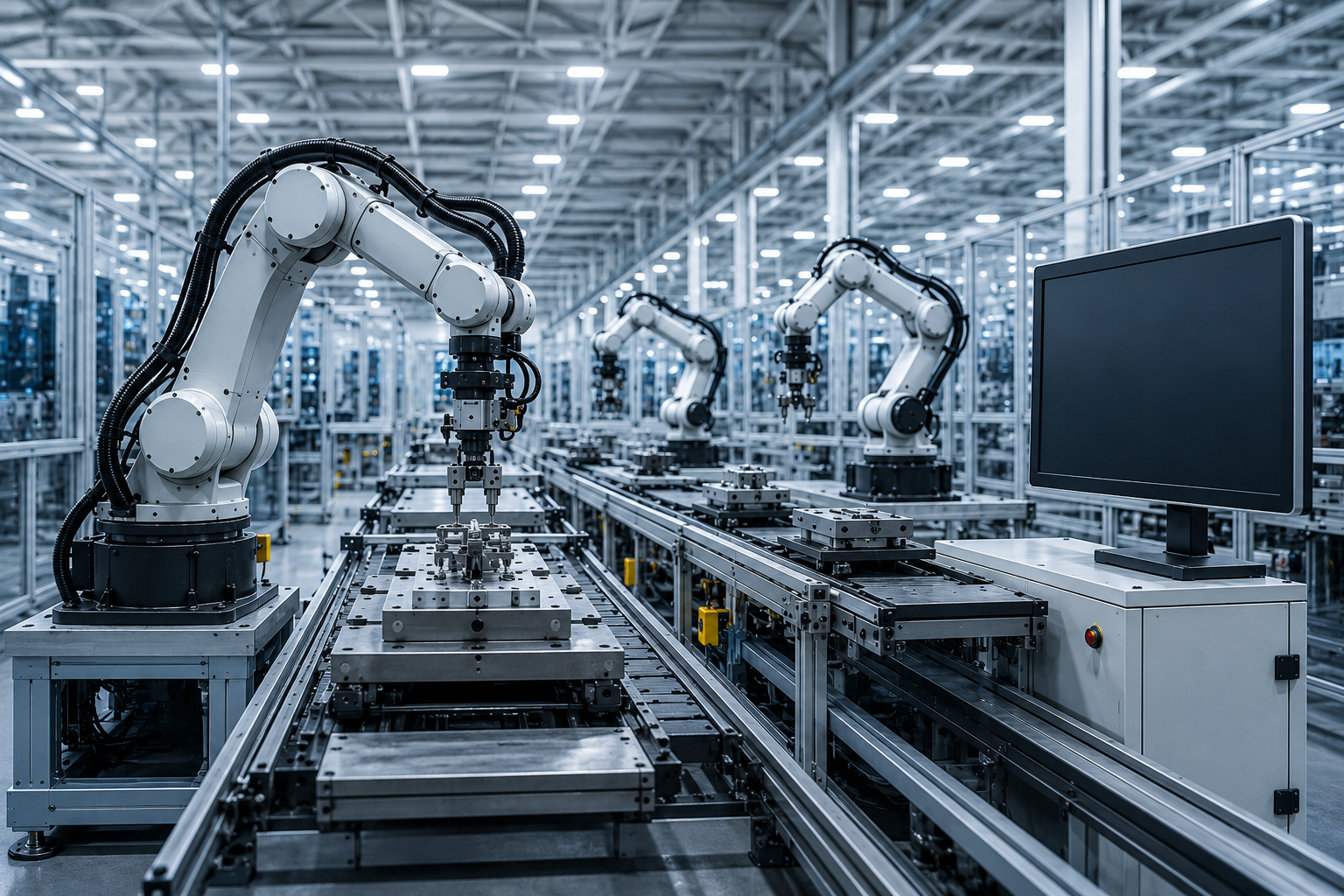
How Stepper Motors Improve Precision in Automation: The need for precision, speed, and reliability is greater than ever before in modern manufacturing. Manufacturing industries like automobiles, electronics, packaging, pharmaceuticals, textiles, food industry, medical equipment, and semiconductors all utilize automation systems to manufacture goods with Highest quality and accuracy. At the core of automation systems are Stepper Motors, which help in the positioning, rotation, and repeatability of the system.
While regular motors rotate continuously, Stepper Motors rotate in fixed angles known as steps. Every electrical pulse sent to the stepper motors causes an exact amount of rotation. In this way, machinery can be operated accurately without having any error or loss of position. The reason why they are suitable for many applications in industries is their ability to operate accurately, consistently, and synchronize themselves. From manipulating robots to rotating tools and moving conveyors, Stepper Motors make it easier for manufacturers to control their processes and minimize errors.
Why Stepper Motors Are the Preferred Choice for Industrial Automation
The industrial sector needs motion mechanisms that must be accurate, reliable, and able to work non-stop. Stepper motors fulfill these criteria due to their high accuracy of positioning, repeatability, and digital operation. Each and every move made by the stepper motor is broken down into specific increments which help engineers to precisely control the speed and position. Thus, the movement becomes much more controlled and eliminates many errors typical for traditional motors, thus improving the final product.
The second major advantage of Stepper Motors is their excellent torque when they are not moving. They are able to hold their position even when the motor is not rotating. Therefore, they can be used for such applications as indexing tables, automatic assembly equipment, inspection equipment, and CNC machines. Another advantage is that stepper motors do not have brushes, which means less maintenance. It makes Stepper Motors work for longer periods, require less maintenance, and increase the reliability of the machine. In addition, manufacturers value the ability to connect them to the programmable logic controller, motion controllers, and CNC systems.
Hybrid Stepper Motors Provide Superior Accuracy and Smooth Motion
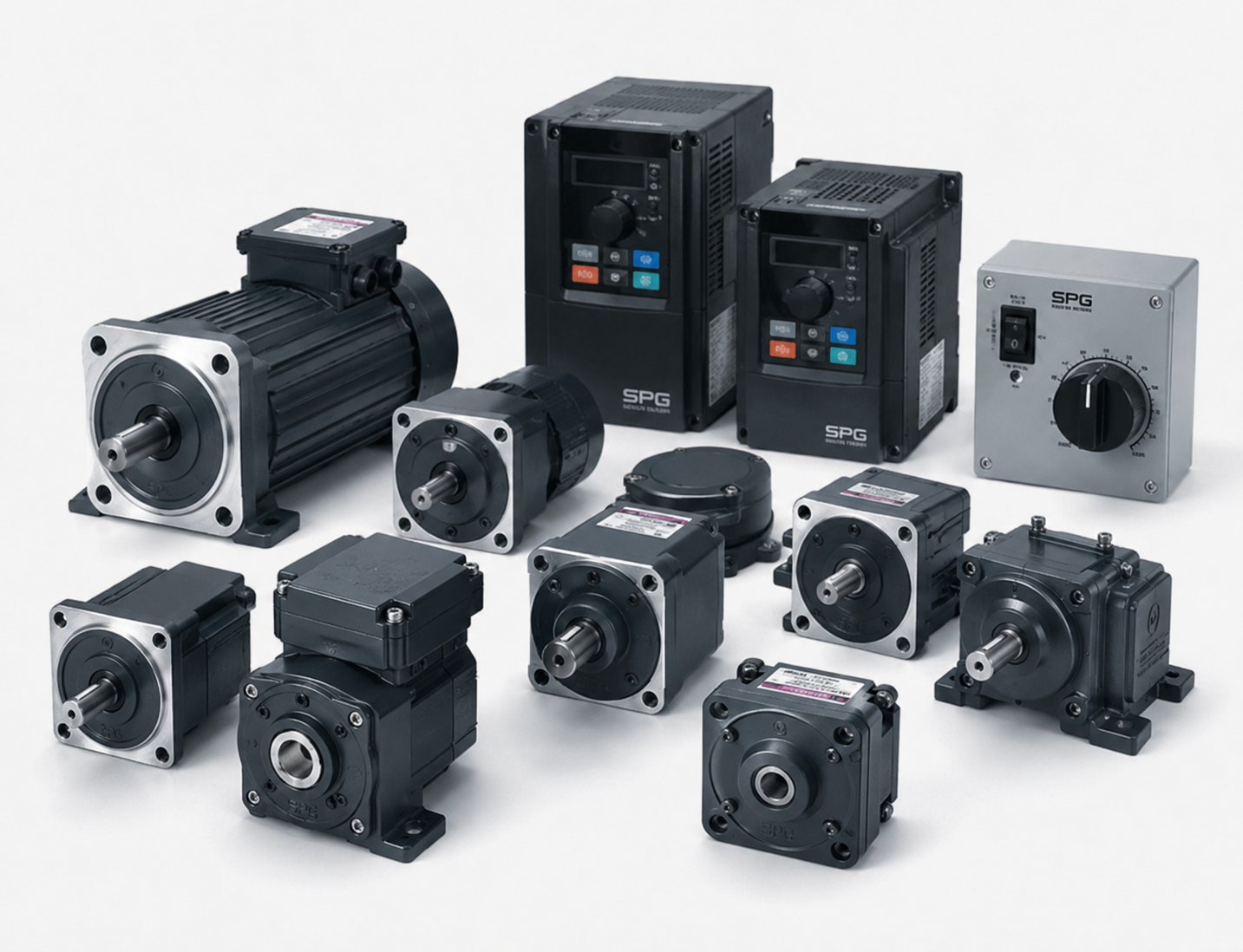
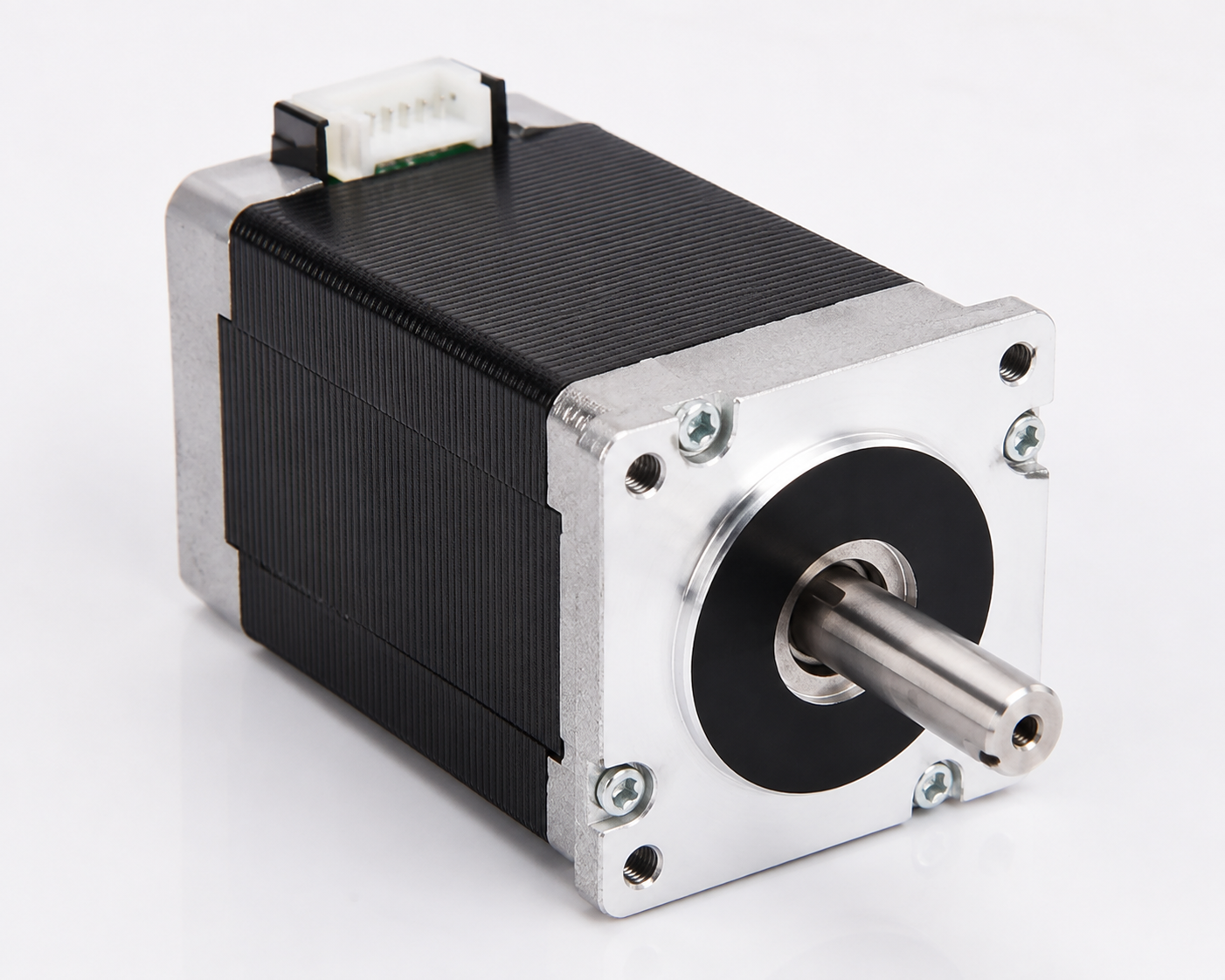
Among all kinds of motion control technology, Hybrid Stepper Motors have been the favoured choice in applications that demand high accuracy and dependable operation. Hybrid stepper motors integrate the benefits of both permanent magnet motors and variable reluctance motors and consequently offer good torque performance and efficient operation. Hybrid Stepper Motors generate more torque at low speeds and therefore ideal for applications that require controlled acceleration and accurate positioning. The rotor design of Hybrid Stepper Motors is designed with fine machining to generate accurate step angles and reduce vibrations and resonances.
The applications of Hybrid Stepper Motors include the use of CNC machine centers, laser engraving systems, printed circuit board drills, textile machinery, medical diagnostic equipment, laboratory systems, pharmaceutical filling machines, and robot positioning systems. The fact that Hybrid Stepper Motors can make thousands of movements daily without compromising on accuracy is one of the reasons why these motors are some of the most reliable types of industrial automation. Using the hybrid stepper motors together with micro stepping drivers helps in providing smooth motion, decreased noise, reduced vibrations, and increased resolution of positioning.
High Torque Stepper Motors and NEMA Stepper Motors for Heavy-Duty Automation
A lot of industrial applications have something to do with moving heavy loads or manipulating heavy devices. High Torque Stepper Motors are made for such conditions. High Torque Stepper Motors provide great holding torque, great load carrying capacity, and stable operation even under continuous manufacturing process. High Torque Stepper Motors are commonly found in conveyor belt, pallet handling machine, CNC mill, robot, welding machine, printing press, packaging machine, and material handling machine. With their strong power, machines can keep their accuracy when lifting heavy objects.
Yet another important benefit of NEMA Stepper Motors is their ability to integrate with many different types of gearboxes and transmission systems so that engineers can get the necessary torque to speed ratio according to various industrial needs. Aside from that, NEMA Stepper Motors offer standard frame sizes which make it easy to build any type of machinery. NEMA Stepper Motors come in various frame sizes including NEMA 17, NEMA 23, NEMA 24, NEMA 34 and NEMA 42. As the result, they are compatible with various drivers, controllers, couplings, and planetary gearboxes. Due to standard frame sizes, NEMA Stepper Motors are easily replaceable during the maintenance process and are usually chosen by machines builders when developing new automation systems.
Industrial Stepper Motors and Closed Loop Stepper Motor Technology
The manufacturing industries of today usually work for long periods of time, thus making it necessary for their motors to perform in a reliable manner under sustained working conditions. Industrial Stepper Motors have been built to be able to withstand tough conditions by means of using good quality bearings, tough windings, precise machined parts, and effective cooling mechanisms. Such motors are used in industries like packaging lines, pharmaceutical manufacturing industries, textile industry, food processing industries, semiconductor manufacturing industries, automatic inspection machines, and robotics assembly industries.
One of the most remarkable innovations in the field of motion control is the Closed Loop Stepper Motor that has combined the straightforward design of conventional stepper motors with advanced feedback from encoders. Unlike the open loop systems, the Closed Loop Stepper Motor tracks the position of its rotor at all times and immediately fixes any discrepancies. There are a number of significant benefits associated with this technology. Firstly, the Closed Loop Stepper Motor does not have any missed steps, is capable of increasing its acceleration, minimizing vibration, lowering the temperature, consuming less power and working at greater speeds. Thanks to precise positioning regardless of load variations, the Closed Loop Stepper Motor systems are able to provide the same performance as the servomotors while being more affordable.
Applications and Benefits of Stepper Motors Across Industries
The flexibility of Stepper Motors makes it possible for them to be employed in diverse industrial operations. They are normally mounted in CNC routers, laser cutters, engravers, 3D printers, robotic arms, automatic assembling machines, packaging machines, textile machinery, medical instruments, semiconductors machinery, electronics manufacturing lines, inspection systems, labellers, and laboratory automation. The reason manufacturers select Stepper Motors is the many benefits they present in their operations. Stepper motors deliver accurate positioning, resulting in higher-quality products with minimized reject rates. Their high repeatability allows for consistent operation throughout each manufacturing process cycle. The excellent holding torque makes the machinery capable of maintaining accurate positioning during short stops.
The brushless nature of the Stepper Motor helps reduce the required maintenance while prolonging its service life. Hybrid Stepper Motors are known to produce smoother motion, while High Torque Stepper Motors can handle heavier loads. NEMA Stepper Motors are easy to integrate into the machinery, while Industrial Stepper Motors can operate under tough conditions. The Closed Loop Stepper Motor systems help increase efficiency using intelligent feedback control. The choice of an appropriate stepper motor should take into consideration the torque needed, speed, inertia of the load, precision of positioning, environment, and duty cycle. The appropriate motor, drive, and controller selection will guarantee peak performance, reduced maintenance costs, increased efficiency, and high levels of reliability.
Conclusion
Automation of industrial processes relies greatly on motion control technology, and one of the best options to date is Stepper Motors. No matter whether the requirements of an application necessitate the use of Hybrid Stepper Motors for their smoothness, High Torque Stepper Motors for power, NEMA Stepper Motors for compatibility and ease of use, Industrial Stepper Motors for durability, or Closed Loop Stepper Motors for precise feedback, all these technologies assist companies in increasing efficiency, cutting down the time of work, and producing higher-quality products. It makes sense to invest in advanced stepper motors in order to develop efficient automation systems for the future.