
20 Apr Hidden costs in manual case packing
Hidden Costs in Manual Case Packing (And Why Automation is the Future)
Efficiency in manufacturing is not only achieved through the manufacturing process but also in packaging. Although many companies have incorporated automation in processing and filling, case packing has remained a common practice in most FMCG companies. Initially, manual packing may appear cost-effective and straightforward to implement. The hidden costs associated with manual case packing, however, tend to be recognized only when they begin to affect the performance and profit levels of a business. In the long run, the effects of manual case packing become a hindrance for businesses that wish to keep pace with changing dynamics within the industry.
Labor Dependence and Higher Operating Costs
As discussed earlier, the packaging activity is manually done; therefore, this means that the organization will be highly dependent on the labor force. The organization should ensure that it has adequate employees and that they are adequately trained to ensure that they perform effectively. As demand rises, labor requirements also rise, and thus higher operating costs in relation to labor expenses. It is necessary to note that labor may not be readily available because it is not constant due to factors like absenteeism and staff turnover rates.
The Inconsistency in Packing Quality and Product Damage
The inconsistency in the quality of packing that results from human intervention is one of the most ignored costs associated with using human labor. Human operators will use different techniques that may cause some differences in product placement or may pack products wrongly or seal cartons improperly. This becomes especially problematic in cases where liquids in delicate cartons like those of flavored milk, juice, and puree are packed. Such products have to be handled properly because any mistake may lead to product damage.
Low Productivity and Bottlenecks at the End Line
Manually operated packing systems are much slower than automated packing systems. Although the production process upstream may be optimized, manually packed cases of goods can result in an end line bottleneck that slows down productivity. The process becomes out of sync, which creates inefficiencies in the production process and causes delays. This affects customer satisfaction, especially during high production demands when deliveries are made past deadline. Using a high-speed case packer will enable companies to overcome this challenge and enjoy uninterrupted high-speed packing processes.
Occupational Safety Hazards and Latent Downtime
In manual case packing, there is a lot of repetitive work, including lifting, stacking, and organizing boxes, which eventually causes fatigue and injuries to the employees. Not only does this cause problems for the employees’ health, but it also leads to higher absenteeism, healthcare costs, and workers’ compensation claims. Moreover, there is a higher chance of delays in manual operations because of human mistakes, fatigue, or understaffing. While each delay is relatively minor, together, they cause a considerable amount of downtime. This is where automation comes in.
Limited Scalability and Future-Readiness
In order to increase its productivity, a company needs to scale up its operations. This entails hiring additional manpower and managing an increasing number of employees. The solution may seem good enough now but, however, cannot sustain itself for a prolonged period of time, especially when dealing with FMCG products. The issue of efficiency is hard to address in manual systems because it is difficult to increase the pace of packaging and maintain quality at the same time. The Automatic Case Packer Machine has the potential to facilitate efficient scaling up of operations.
Strategi Automation Case Packer: The Right Choice
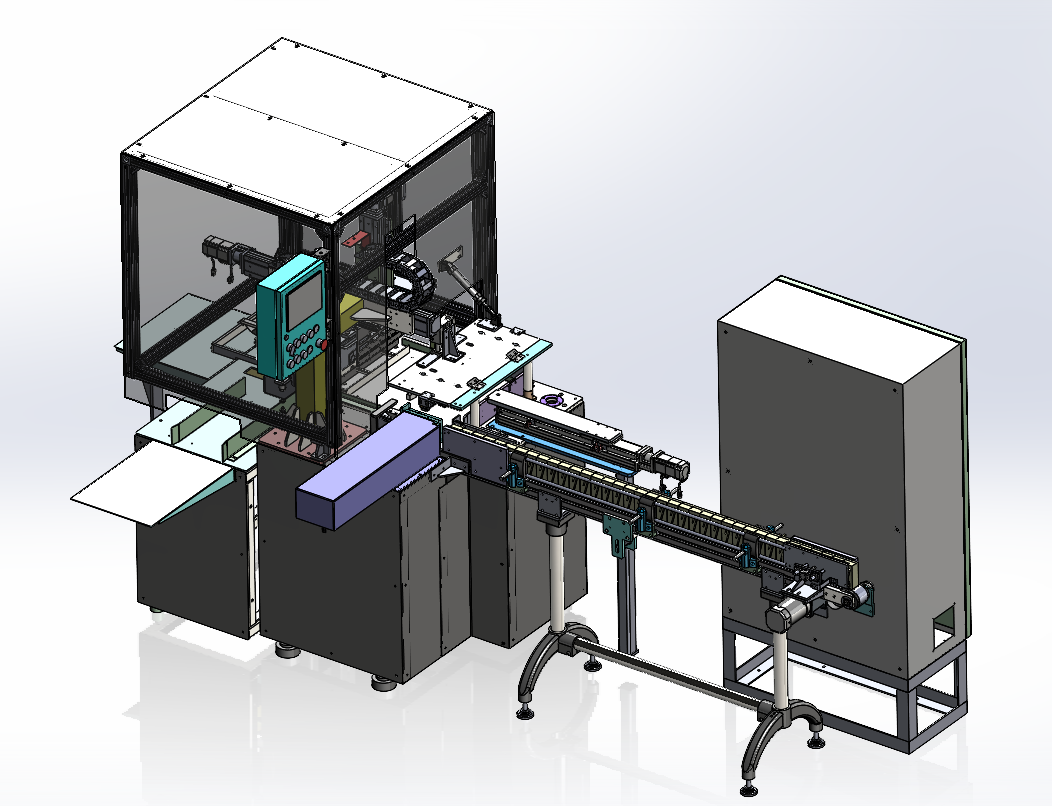
To solve these problems, numerous organizations have been utilizing sophisticated automation systems, such as the Strategi Automation case packer. The Strategi Automation case packer is an advanced equipment designed specifically for the FMCG sector in India. The Strategi Automation case packer features good configurations, such as 3×10, 4×10, and 5×8, and works very fast, reaching a maximum capacity of 180 packages per minute input and six trays per minute output. This is an automatic machine that has a compact size and can be incorporated easily into the production process.
Conclusion
Hidden costs associated with manual case packing go way beyond just the obvious labor costs involved. Poor quality, material wastage, low productivity, safety concerns, and scalability issues are some of the other problems that could affect the operations of a business negatively. Although manual case packing might be considered cost-effective at the onset, they can become rather costly in the long run. Getting a Case Packer or a High-Speed Case Packer does more than help to automate your packing process; you gain efficiency and productivity. By choosing an advanced case packer, such as the Strategi Automation case packer, for your business, you get to benefit from effective high-speed end-of-line packing.