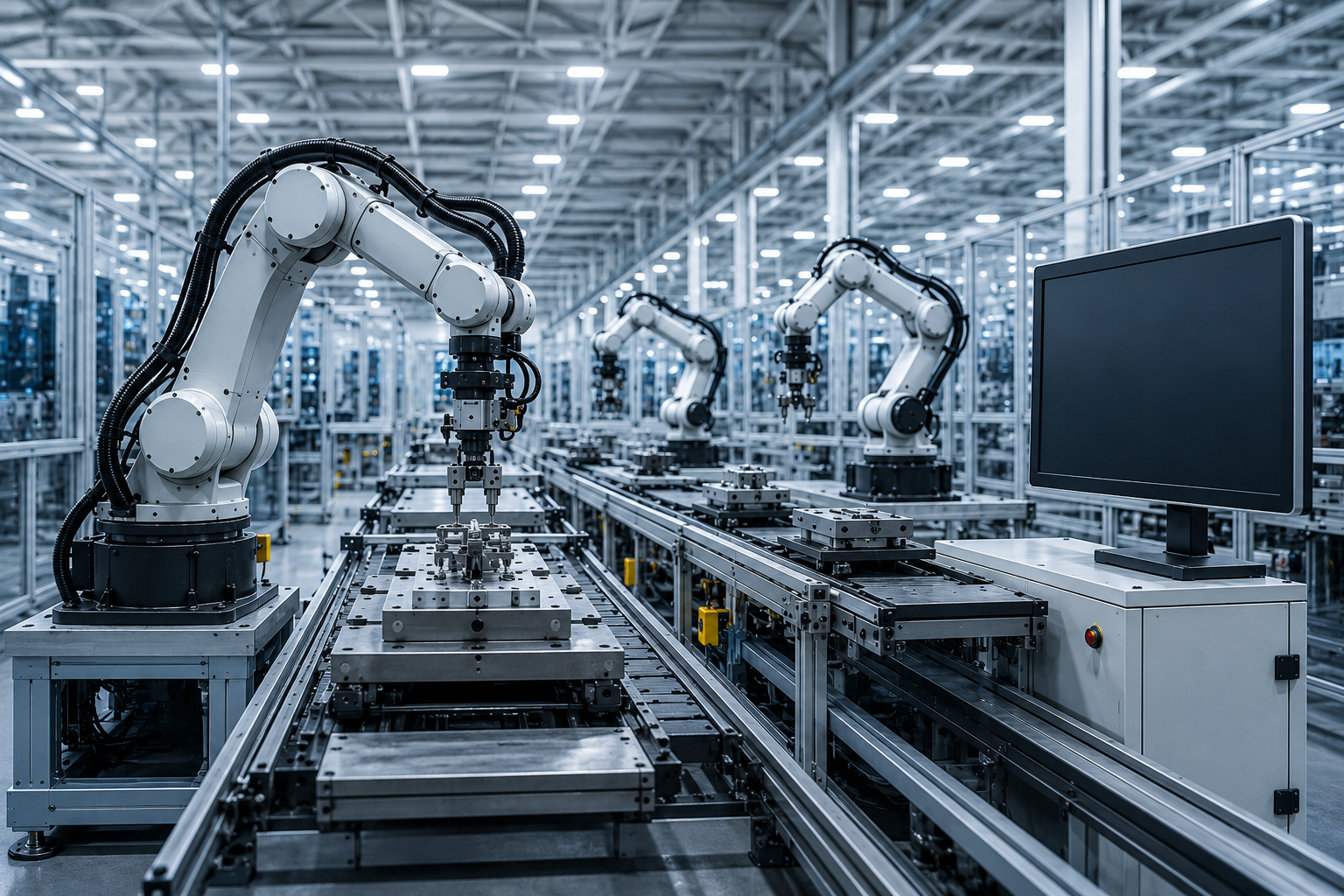

Energy efficient automation for green manufacturing
21 Jun Energy efficient automation for green manufacturing
Building a Sustainable Future Through Smarter Manufacturing
In a world increasingly focused on sustainability, industries are under growing pressure to reduce their environmental impact. Traditional manufacturing practices, while effective in terms of production output, often consume large amounts of energy and contribute significantly to carbon emissions. Green manufacturing—a concept that integrates sustainable practices into every aspect of production—is rapidly becoming a global priority.
One of the most impactful ways to implement green manufacturing is through energy-efficient automation. This approach involves using advanced technologies such as intelligent robotics, IoT sensors, AI-driven process control, and energy-optimized machinery to streamline operations while significantly reducing energy consumption.
What is Energy-Efficient Automation?
Energy-efficient automation refers to the use of automated systems designed to optimize energy usage without compromising on performance or productivity. Unlike conventional automation systems, which primarily focus on speed and accuracy, energy-efficient systems emphasize:
- Dynamic energy monitoring and optimization
- Demand-based machine operation
- Smart scheduling of energy-intensive processes
- Integration of renewable energy sources
- Predictive analytics to reduce unnecessary usage
How Automation Contributes to Green Manufacturing
- Smart Energy Management
Real-time monitoring systems track energy use across all operations, enabling automated adjustments that reduce wastage. For example, idle machines can be powered down or switched to energy-saving modes without human intervention. - Efficient Motor and Drive Systems
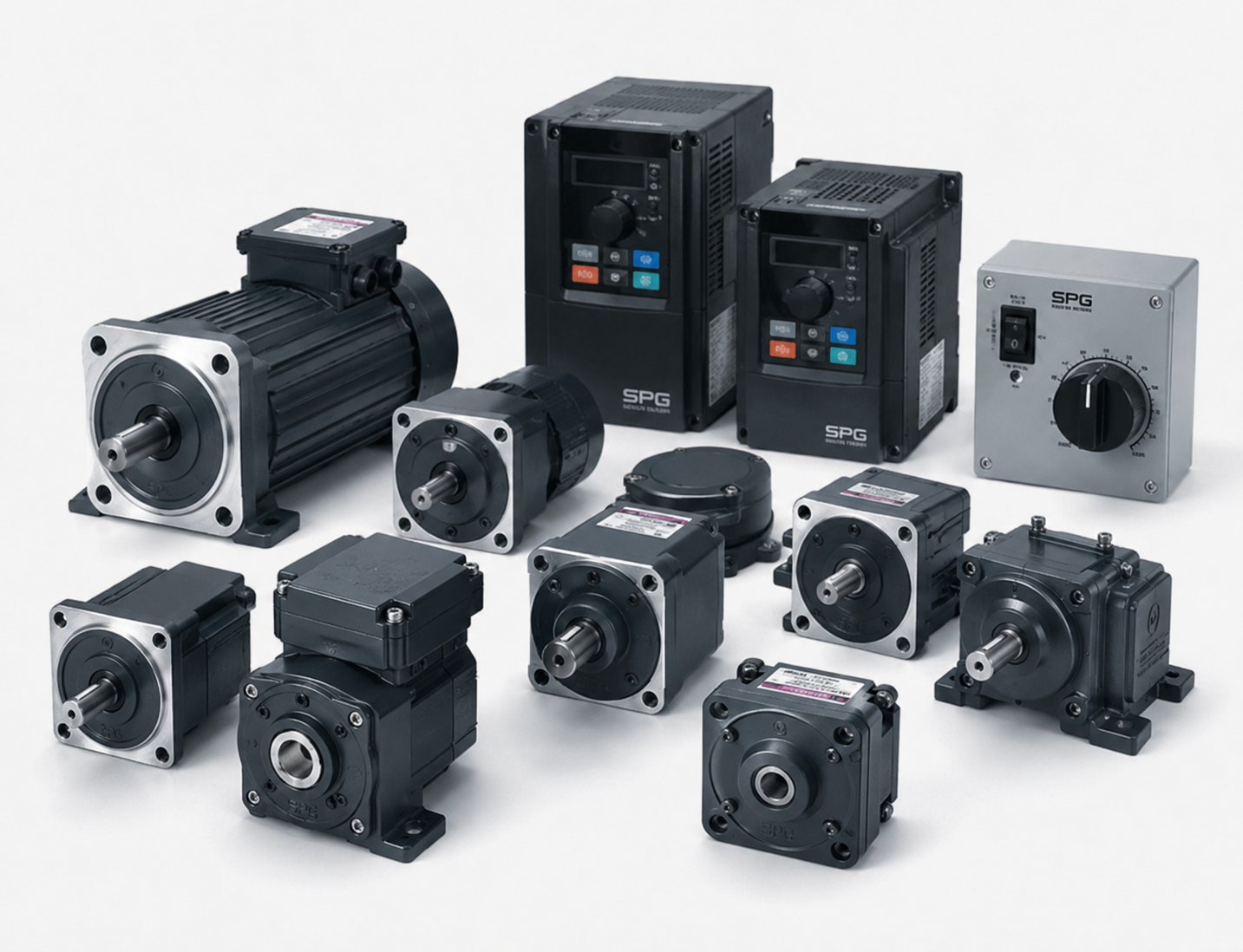
Upgrading to high-efficiency electric motors, servo drives, and regenerative braking systems dramatically lowers energy consumption in assembly lines and processing equipment. - Process Optimization with AI and Machine Learning
AI algorithms can analyze production patterns and recommend more energy-efficient sequences, routing tasks to the most efficient machines or adjusting speeds and cycles to conserve power. - Reduced Downtime through Predictive Maintenance
Predictive maintenance systems help avoid sudden breakdowns, which often result in energy spikes and wasteful restarts. These systems use sensors and data analytics to forecast and prevent equipment failures. - Use of Renewable and Hybrid Energy Sources
Modern automated systems can be designed to integrate with solar panels, wind turbines, or hybrid energy grids—automatically switching between power sources for optimal usage.
Benefits of Energy-Efficient Automation
✅ Lower Energy Costs
Automated systems that optimize energy usage directly result in reduced utility bills and operational costs.
✅ Reduced Carbon Footprint
Minimized energy consumption means fewer emissions, helping manufacturers meet environmental regulations and corporate sustainability goals.
✅ Enhanced Equipment Longevity
Efficient operation reduces mechanical strain, leading to less frequent breakdowns and longer machine life.
✅ Regulatory Compliance
Energy-efficient automation helps companies meet international standards like ISO 50001, as well as local energy efficiency mandates.
✅ Competitive Advantage
Green credentials are increasingly important for brand image and customer loyalty. Eco-conscious automation enhances market positioning.
Challenges and Considerations
While the benefits are significant, implementing energy-efficient automation comes with its own set of challenges:
❌ High Initial Investment
Energy-optimized systems and sensors may require significant upfront costs, which can deter small and medium-sized manufacturers.
❌ Integration Complexity
Retrofitting legacy systems with modern automation technologies can be technically complex and may disrupt existing workflows.
❌ Skilled Workforce Requirement
Managing and maintaining intelligent energy-efficient systems requires trained personnel who understand both automation and sustainability principles.
Industries Leading the Green Automation Movement
Several industries are paving the way in adopting energy-efficient automation:
- Automotive: Lean manufacturing with energy-optimized robotics and process control.
- Electronics: Cleanroom automation with minimal energy overhead.
- Textiles: Smart dyeing and finishing systems using precise, energy-controlled processes.
- Pharmaceuticals: Climate-controlled automated environments optimized for minimal energy waste.
The Way Forward
As sustainability becomes a cornerstone of industrial growth, energy-efficient automation stands out as a transformative solution. Manufacturers that prioritize smart energy management not only contribute to a greener planet but also reap long-term financial and operational benefits.
Embracing this technology is more than a trend—it’s a strategic shift toward resilient, future-ready manufacturing. Companies that adopt energy-efficient automation today are positioning themselves as the industry leaders of tomorrow.
AC Geared Motors
AC Drives / VFDs
Share
Related Posts