
25 Jun Factory Automation Trends in 2026: The Future of Smart Manufacturing
Factory Automation Trends in 2026: The Future of Smart Manufacturing –> The Rise of Smart Manufacturing
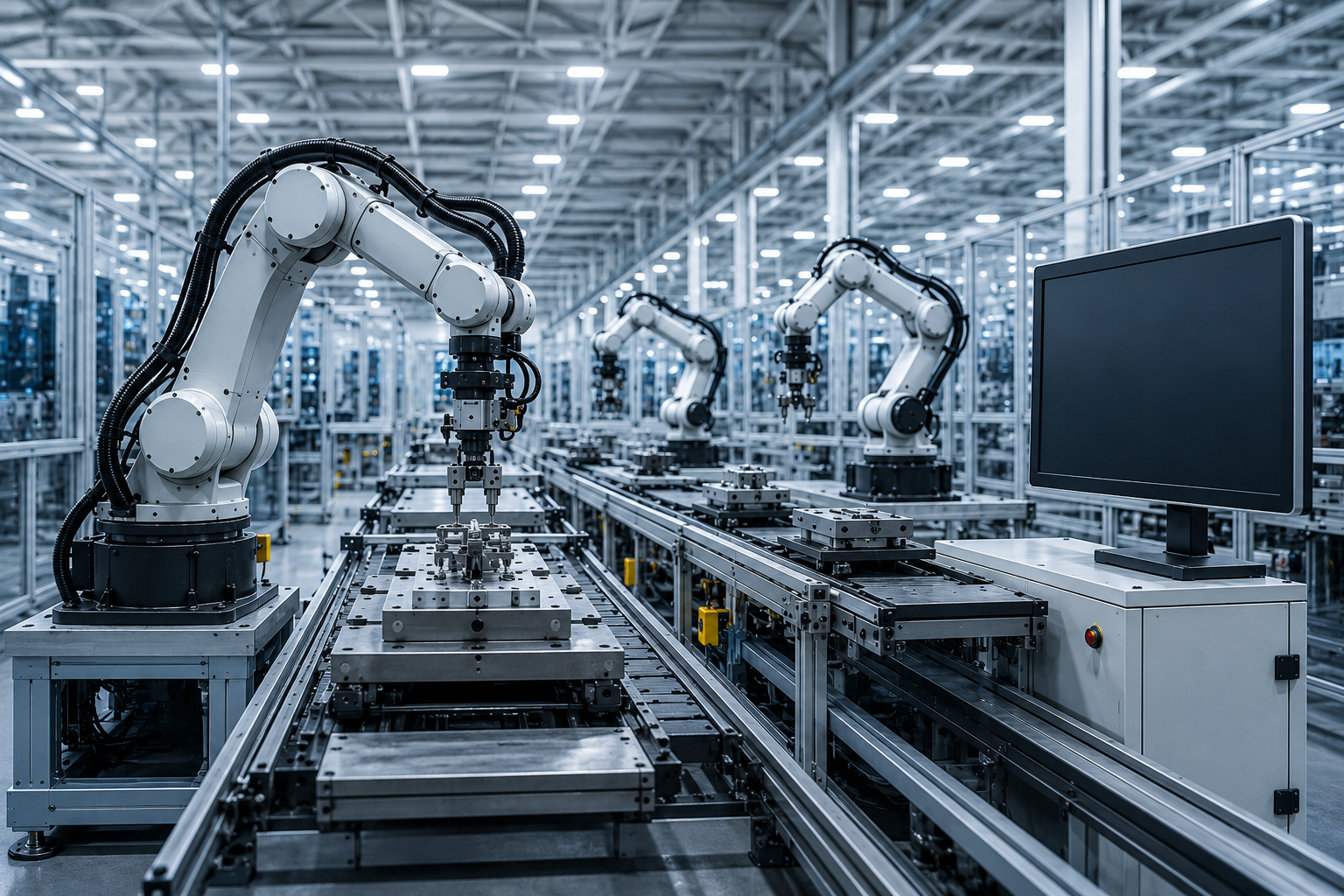
The manufacturing industry in India is entering a new era of growth, which is being fueled by digital transformation and automation. With the growing need for enhancing productivity, maintaining quality standards, minimizing costs, and competing internationally, automation in factories is now a necessity rather than an optional facility. The years to come till 2026 will witness the rise in the number of automated technologies adopted by the manufacturers in the industries related to automobiles, engineering, electronics, packaging, pharmaceuticals, and precision manufacturing.
The move towards smart manufacturing is assisting firms in improving manufacturing performance and optimizing resources while having real-time visibility of their operations. Manufacturers are increasingly investing in Industrial Automation Solutions that help make decisions based on data and conduct predictive maintenance.
Machine Tending Robots Continue to Lead Automation Adoption
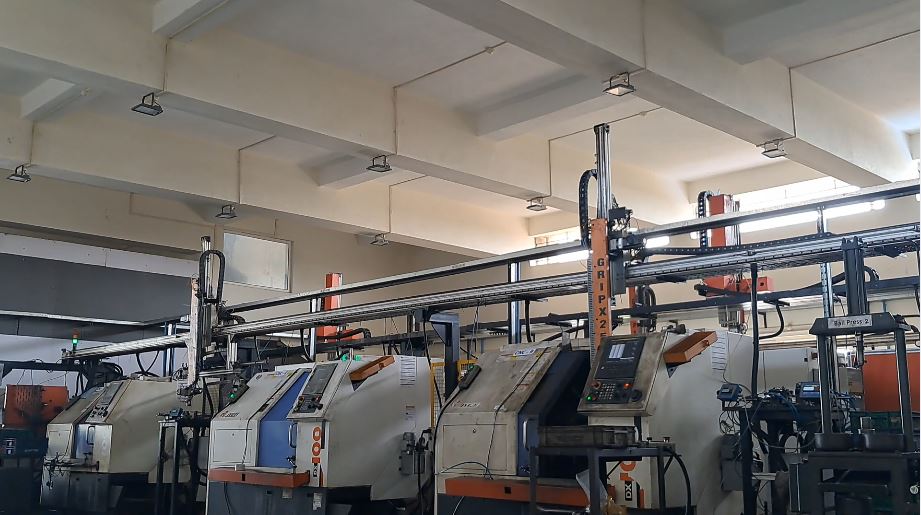
Amongst all the trends in 2026, one of the most prominent ones is that of the increased usage of Machine Tending Robots in manufacturing industries in India. The robots take care of the loading and unloading processes in CNC machines, machining centers, injection molding machines and other manufacturing machines.
The use of machine tending robots provides manufacturers with an increase in machine efficiency, reduced need for laborers, improved safety conditions and improved consistency in terms of production. Increased labor costs and the need for better productivity levels have led to machine tending robots being used by many manufacturers.With the increased accessibility and affordability of technology, even smaller manufacturers are using robotics.
Industry 4.0 and Connected Factories Gain Momentum
Industry 4.0 keeps transforming the future of manufacturing in India. There is an increasing trend towards the connection of machinery, robotics, sensors, and software systems to give information about the production process.
The modern Industry 4.0 systems allow manufacturers to control the performance of machines, efficiency of production, downtime, and resource utilization from centralized dashboards. Such an approach allows making better decisions and identifying areas where improvements can be made. Connected Factories have become an important part of Manufacturing Technology Strategy, helping organizations achieve agility, productivity, and operational excellence.
Artificial Intelligence Enhances Manufacturing Performance
Artificial Intelligence (AI) is turning out to be a significant tool in the context of factory automation. AI-based technologies are being used by manufacturers to enhance production planning, quality control, predictive maintenance, and operations efficiency.
With the help of AI-enabled systems, production data can be analyzed to detect patterns, forecast equipment breakdowns, and suggest improvements in the process. Thus, manufacturers will be able to decrease downtime and increase their productivity.
With further advancements in AI-based technologies, it is expected that these technologies will contribute more significantly towards Industrial Automation Solutions in India.
Industrial Robotics Expands Across Manufacturing Sectors
The use of industrial robots is increasing significantly in Indian industries. The manufacturers are implementing robots in their industries for operations such as welding, assembling, packaging, palletizing, material handling, and inspection among others.
The use of industrial robots has many benefits like better precision, reduced time for production, increased safety, and consistency in the quality of products. Due to these advantages, there will be an increase in demand for robotic automation systems. Robots will remain one of the key drivers of factory automation in 2026 due to the need for flexibility and scalability by firms.
Advanced Quality Inspection Through Vision Systems
Ensuring quality is always an essential concern for manufacturing companies. Inspection systems that use sophisticated camera technology, sensors, and artificial intelligence have changed product inspection completely.
They are able to identify any defect, check dimensions, and comply with the necessary quality requirements instantly. Automated vision inspection systems are more efficient, accurate, and fast compared to traditional ways of performing inspections. Manufacturers turn to vision-based inspection technologies to minimize the number of rejects, satisfy customers, and improve quality control procedures.
Sustainability and Energy Efficiency Become Key Priorities
Another growing concern for manufacturers in India is the sustainability of their operations. Automation is enabling firms to conserve resources by optimizing the use of energy and minimizing waste.
Automated production lines are able to avoid wastage of materials and ensure consistent process flow in the production process, thus making the manufacturing process more sustainable. In a bid to ensure sustainable and compliant manufacturing processes, automation technology will play a key role in shaping the future of manufacturing. Companies which invest in sustainable Manufacturing Technology today will definitely have an edge in the future.
The Future of Factory Automation in India
Future manufacturing trends for India will include automation, robotics, artificial intelligence, and Industry 4.0 technologies. Organizations which choose to implement these technological solutions will be better equipped to ensure their productivity and quality, while reducing their costs and being able to react swiftly to changes in market conditions.
Automation is no longer a thing only large companies can afford. Technological developments make automation systems less expensive and scalable enough for use in small and medium-sized businesses. Therefore, the implementation of these systems is bound to increase in the following years. Organizations wishing to grow in 2026 and later should consider implementing Industrial Automation Solutions as one of their priorities. It will allow them to stay ahead of the game in the constantly changing world of industry.