

11 Jun The Importance of Turnkey Automation in Accelerating Business Growth
The Importance of Turnkey Automation in Accelerating Business Growth
In an era where agility, precision, and speed define competitive success, businesses across industries are seeking smarter ways to operate. One of the most impactful strategies gaining momentum is turnkey automation — a comprehensive, end-to-end solution that revolutionizes how businesses streamline their processes, enhance productivity, and scale operations.
What Is Turnkey Automation?
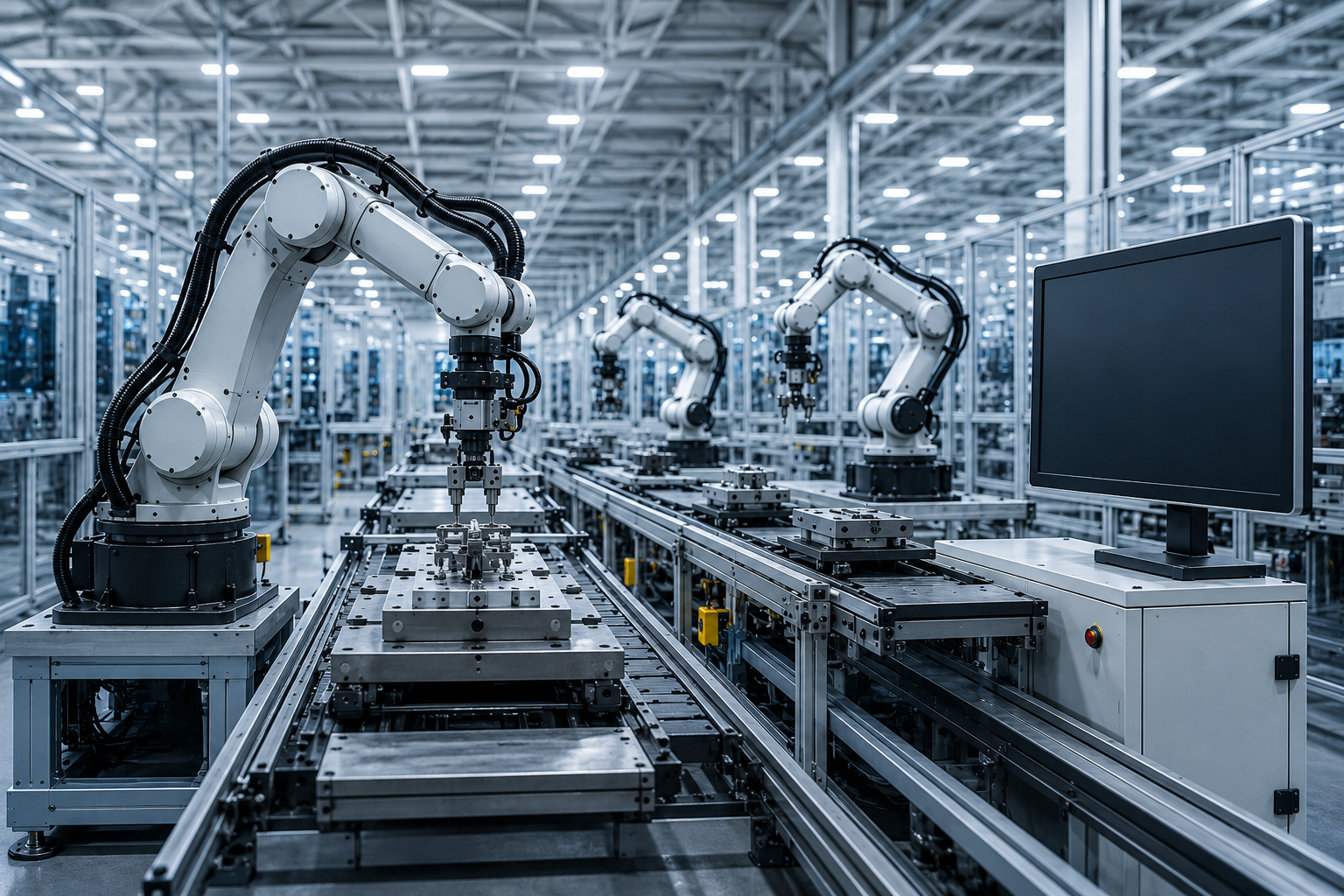
Turnkey automation refers to a fully integrated, ready-to-deploy automation system delivered by a single vendor. Unlike traditional automation setups, where multiple components must be sourced, configured, and synchronized from different providers, turnkey solutions are designed to be plug-and-play — fully functional upon delivery and tailored to meet specific operational needs. These systems include everything from hardware and software to installation, training, and post-implementation support.
Driving Faster Implementation and Reduced Downtime
One of the biggest advantages of turnkey automation is its swift implementation timeline. Because the solution is developed, tested, and delivered by a single expert provider, businesses avoid the delays and compatibility issues often associated with coordinating multiple vendors or in-house development. The result? Less downtime, a faster transition to automated operations, and quicker realization of business benefits.
Enhancing Efficiency and Accuracy
Turnkey automation dramatically improves the efficiency of repetitive or high-volume tasks. Machines and systems designed for specific functions can operate around the clock with minimal supervision, ensuring consistent output, fewer errors, and reduced operational bottlenecks. Whether it’s in manufacturing, logistics, packaging, or data processing, these solutions ensure tasks are completed with maximum precision and speed.
Reducing Operational Costs
While the upfront investment in turnkey automation may seem significant, the long-term cost savings are substantial. Businesses benefit from:
- Lower labor costs due to reduced manual intervention
- Minimized waste and product rework
- Decreased downtime and maintenance expenses
- Energy-efficient systems designed for sustainability
The predictability and reliability of turnkey solutions also reduce the risk of unexpected costs, making budgeting and forecasting more accurate.
Enabling Scalability and Adaptability
Turnkey systems are designed with scalability in mind. As a business grows or diversifies its operations, these systems can be easily adapted or expanded without requiring a complete overhaul. This flexibility allows organizations to stay agile and responsive to market demands — whether scaling up production, launching new product lines, or entering new markets.
Enhancing Quality and Compliance
In highly regulated industries such as pharmaceuticals, food processing, or electronics, quality control and compliance are critical. Turnkey automation ensures uniform quality standards across all outputs, thanks to its precision and programmable control mechanisms. Automated record-keeping and reporting features also simplify audits and help businesses stay compliant with industry standards and legal requirements.
Improving Data Visibility and Decision-Making
Modern turnkey automation systems are equipped with smart technologies such as IoT sensors, machine learning algorithms, and advanced analytics. These tools provide real-time data on performance, efficiency, and potential issues. With access to actionable insights, business leaders can make informed decisions, proactively address challenges, and identify new opportunities for growth and optimization.
Strengthening Competitive Advantage
Ultimately, businesses that embrace turnkey automation gain a significant competitive edge. They can bring products to market faster, meet customer demands with greater reliability, and operate with a leaner, more efficient workforce. As industries continue to evolve, automation is no longer a luxury — it’s a strategic necessity.
✅ Pros:
- Faster Implementation
- Pre-designed, ready-to-deploy systems reduce setup time and speed up ROI.
- End-to-End Solutions
- Covers everything from design to installation and support, reducing the need for multiple vendors.
- Improved Efficiency
- Automates repetitive tasks, minimizes errors, and boosts productivity.
- Scalability
- Easy to expand or upgrade as your business grows.
- Cost-Effective in the Long Term
- Though initial costs may be high, reduced labor and operational costs lead to long-term savings.
- Reduced Downtime
- Integrated systems are tested and optimized before deployment, lowering the risk of failure.
- Single Point of Responsibility
- Simplifies communication and accountability by having one vendor manage the entire project.
❌ Cons:
- High Initial Investment
- Turnkey solutions can have significant upfront costs.
- Vendor Dependency
- Businesses may become reliant on a single vendor for maintenance, updates, and support.
- Less Flexibility
- Pre-built systems may not offer the same level of customization as tailor-made solutions.
- Integration Challenges
- Sometimes existing systems may face compatibility issues with turnkey setups.
- Limited Internal Knowledge
- As the vendor manages the setup, in-house teams may not gain deep insights into the system.
Final Thoughts
The importance of turnkey automation in accelerating business growth cannot be overstated. It enables organizations to transition smoothly into smarter, more agile operations while laying the groundwork for long-term scalability and innovation. By investing in a reliable, all-in-one automation solution, businesses position themselves to thrive in an increasingly digital and fast-paced economy.